Solo Travel Safety: Smart Habits + Printable Checklist
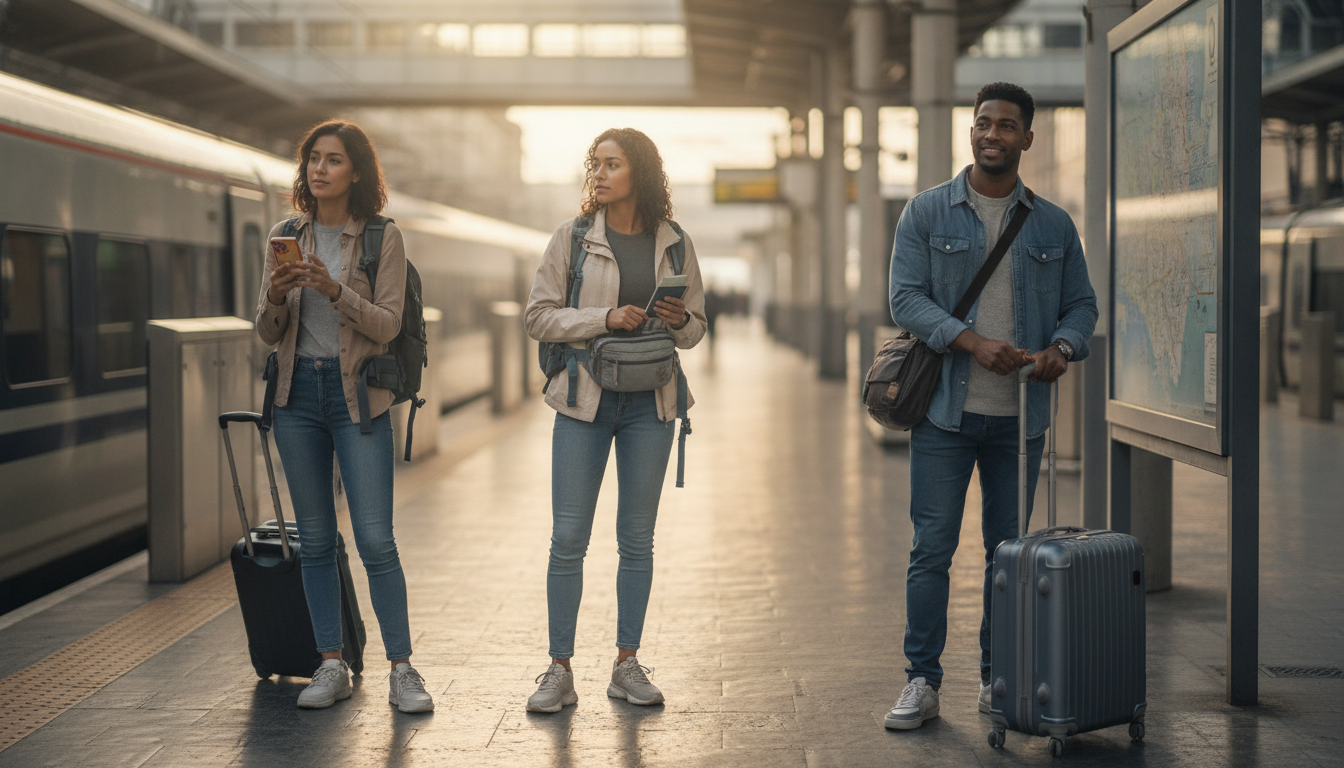
Solo Traveler’s Guide to Staying Safe: Practical Planning, Smart Habits, and a Ready-to-Use Checklist
Solo travel can feel freeing and empowering, but it also puts every decision—where to stay, how to move, what to share, and what to carry—on one person. The safest solo trips are built on small, repeatable habits: planning before departure, scanning environments without fear, and having a simple response plan for common risks like theft, scams, medical issues, and digital compromise. Use the sections below as a step-by-step framework, then keep the checklist handy while packing and during travel days.
Start With a Safety-First Trip Plan
Good solo safety doesn’t start at the airport—it starts when you choose where you’ll go, how you’ll arrive, and what you’ll do if a basic system fails (like your phone battery, your card, or your health).
- Pick destinations and neighborhoods using up-to-date advisories, recent traveler reports, and local guidance; avoid relying on outdated forum posts. For official baselines, check U.S. Department of State Travel Advisories and health updates at CDC Travelers’ Health.
- Map a “safe basics” route: arrival point → lodging → two backup food options → a pharmacy/clinic → a police station or well-known public landmark.
- Build buffer time into arrival plans (daylight arrivals when possible, avoid tight connections that push late-night transit decisions).
- Decide on a communication cadence: who gets your itinerary, how often you check in, and what counts as a missed check-in trigger.
- Create a short “if-then” plan for common disruptions (lost phone, missed train, ATM failure, sudden illness).
Pre-Trip Safety Plan Checklist (Quick Fill-In)
| Item | Primary Plan | Backup Plan |
|---|---|---|
| Arrival to lodging | Official taxi / rideshare pickup point | Public transit route + cash for taxi |
| Money access | Two cards + one small cash stash | Emergency cash hidden + virtual card |
| Connectivity | Local SIM/eSIM + offline maps | Hotel Wi‑Fi + printed address/route |
| Health | Travel insurance + meds list | Nearest clinic + emergency contacts |
| Check-ins | Daily message at set time | Missed check-in escalation contact |
Choose Lodging That Supports Solo Safety
- Prioritize location over luxury: walkable areas with lighting, late-open businesses, and straightforward transport links reduce risky detours.
- Check access controls: staffed reception, secure entry, room locks in good condition, and clear emergency exits.
- Select rooms strategically: avoid ground-floor street-facing rooms when possible; choose floors that balance security and emergency egress.
- Use privacy habits: avoid announcing your room number out loud; keep “do not disturb” use consistent to reduce patterns.
- Assess social spaces: hostels/hotels with visible common areas can reduce isolation while keeping boundaries clear.
If you arrive and the vibe feels wrong (dim entryway, broken locks, pressure to share personal info), treat switching properties as a practical decision—not a failure. The goal is low-friction safety that makes the rest of the trip easier.
Move Through Cities With Low-Friction, Low-Risk Routines
- Adopt a “pause before pivot” rule: stop in a safe, public spot before checking maps or messages instead of doing it mid-sidewalk.
- Use predictable transport when tired: if energy is low, prioritize direct routes over complicated transfers.
- Keep one hand free when possible and reduce distractions (headphones low/off in crowded areas, minimal phone use at street edges).
- Pre-plan late-night options: know how to get back from dinner/activities without relying on last-minute judgment.
- If a situation feels off, change variables early: cross the street, enter a shop, or shift closer to a family/group area.
Solo safety often looks boring: fewer last-second route changes, fewer isolated shortcuts, and fewer moments of standing still with your phone out in a crowd.
Protect Your Money and Valuables Without Overcomplicating It
- Split essentials into zones: a daily-carry wallet, a hidden reserve, and a separate backup card stored away from the primary wallet.
- Use a simple anti-theft posture: bag worn in front in crowds, zippers closed, phone held securely (not loosely on café tables).
- Avoid flashy routines: minimize visible cash counting; step inside to handle ATM transactions when possible.
- Photocopy and store critical documents securely: passport ID page, visas, insurance info, and card issuer contact numbers.
- Know the local “most common” risks: pickpocket patterns, distraction spills, fake petitions, and unofficial taxi pressure points. For Europe-wide context, see tourist theft prevention guidance from Europol.
A simple rule that travels well: the less you have out, the less you have to defend.
Digital Security and Privacy While Traveling Solo
Personal Boundaries, Social Safety, and Situational Awareness
What to Do if Something Goes Wrong
Printable Toolkit: Safety Tips and Checklist for Solo Trips
- Solo Traveler’s Guide to Staying Safe (PDF eBook download)
- Whole You: Holistic Wellness Guide (Digital Download)
- Must-Know Pet First-Aid Cheat Sheet (Printable)
FAQ
What is the best travel company for solo travelers?
The best option depends on your destination style, budget, and how independent you want to be. Small-group operators can add built-in support and vetted logistics, while flexible booking platforms work well if you prefer to plan your own schedule—look for transparent pricing, clear emergency support, and solo-friendly room options.
Where do most solo travelers go?
Many solo travelers choose places with strong tourism infrastructure, reliable transit, and walkable neighborhoods—often major cities and well-connected regions. Safety can vary widely within the same country, so it’s smart to evaluate specific neighborhoods and seasonal conditions rather than relying on country-level assumptions.
What percentage of solo travelers are men?
The share varies by survey, region, and how “solo travel” is defined (fully independent vs. solo on a group trip). Checking the most recent industry or tourism surveys will give the best snapshot, but practical safety planning is useful across all genders and travel styles.









Leave a comment